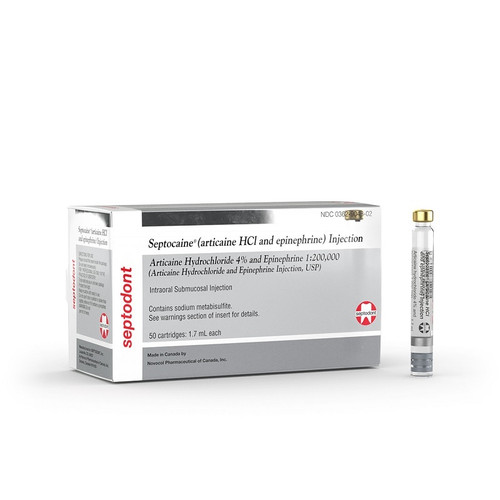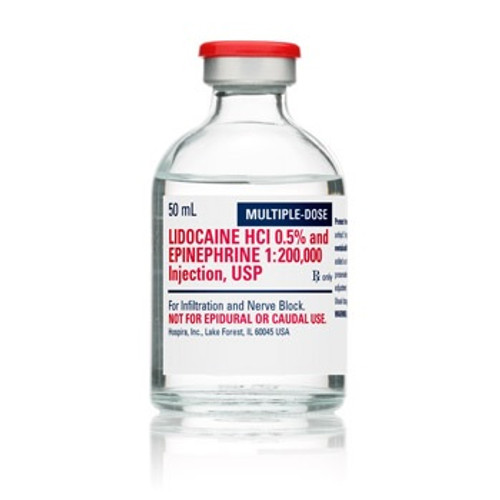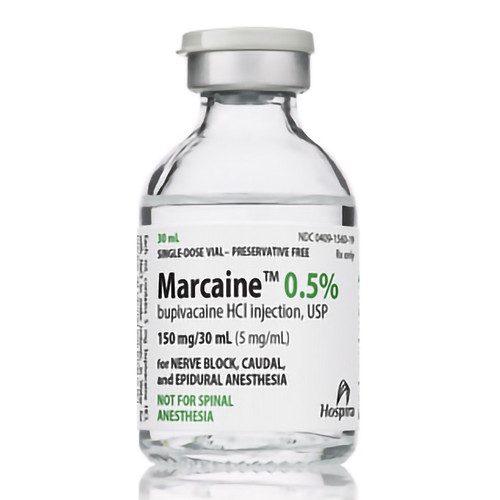
- A long-acting local anesthetic containing 0.5% bupivacaine HCl and epinephrine 1:200,000
- It is manufactured by Septodont under the Cook-Waite brand for dental procedures in adults
- This anesthetic is used when a prolonged duration of pain control is desired, especially for procedures with significant postoperative pain
Uses
- Marcaine is used by licensed dental and oral surgery professionals for:
- Infiltration and nerve block injections in the maxillary and mandibular area
- Dental and oral surgical procedures, such as complex extractions, implant placement, periodontal surgery, and extensive crown or bridge preparations
Features
- Extended duration:
- Provides significantly longer pain control than more common anesthetics like lidocaine and mepivacaine, often lasting up to 7 hours for soft tissue analgesia
- Fast onset:
- Anesthesia typically begins within 2 to 10 minutes, allowing for timely and effective treatment
- Epinephrine content:
- The inclusion of epinephrine acts as a vasoconstrictor, which limits systemic absorption and helps reduce bleeding at the injection site
- Allergen-free formulation:
- Made with no methylparaben and 100% latex-free components to reduce the risk of allergic reactions in sensitive patients
- High safety standards:
- Features a terminal sterilization process for the cartridges and includes a Mylar label on each glass cartridge to minimize the risk of injury from breakage
Side effects
- As with any local anesthetic, Marcaine can cause side effects
- Due to the potency and extended effect of bupivacaine, a dentist will carefully monitor patients for adverse reactions
Common side effects
- Nausea and vomiting
- Headache
- Dizziness
- Numbness, tingling, or pain at the injection site
- Fast, irregular, or pounding heartbeat
- Anxiety or restlessness
Serious side effects
- Systemic toxicity:
- High blood levels of bupivacaine can lead to serious central nervous system (CNS) and cardiovascular effects
- These can include blurred vision, ringing in the ears, tremors, convulsions, respiratory arrest, and heart arrhythmia or cardiac arrest
- Methemoglobinemia:
- A rare but serious blood condition that can occur with local anesthetic use
- Symptoms include pale, gray, or blue-colored skin, headache, lightheadedness, and fatigue
- Prolonged numbness:
- The extended duration of the anesthetic can cause inadvertent trauma to the tongue, lips, and oral mucosa
- Patients are advised not to eat or chew solid foods until sensation has fully returned
- Allergic reactions:
- The product contains sodium metabisulfite and should not be used in patients with a sulfite sensitivity, which can cause anaphylaxis and other asthmatic reactions in susceptible individuals
Contraindications
- Patients with a known hypersensitivity to bupivacaine, other amide-type anesthetics, or any other component of the formulation
- Use in pediatric patients under 12 years of age is not recommended
- Intravenous regional anesthesia (Bier Block) and obstetrical paracervical block anesthesia